
7. Real World Application of Blockchain
Cryptocurrency as a Financial Tool
Think about how much work is needed to open a bank account. Banks require numerous forms of documentation, proof of steady income, a high credit score, and so much more. Even being able to open a bank account, however, is a privilege a lot of people globally don’t have. Large portions of populations in developing countries don’t have access to legitimate banks, leaving them unable to participate in the global economy, particularly within e-commerce and online retail.
Cryptocurrency can fix this issue.
Anyone with an Internet connection can set up a digital wallet in only a few minutes. From there, users are able to purchase crypto, whether it’s through the use of physical infrastructure such as Bitcoin ATMs or financial services, and begin transacting with the global community.
This system can connect hundreds of millions of people to the global infrastructure of the Internet and create tons of new business opportunities that these people would otherwise never have access to.
Cryptocurrency today is being used as a hedge against inflation.
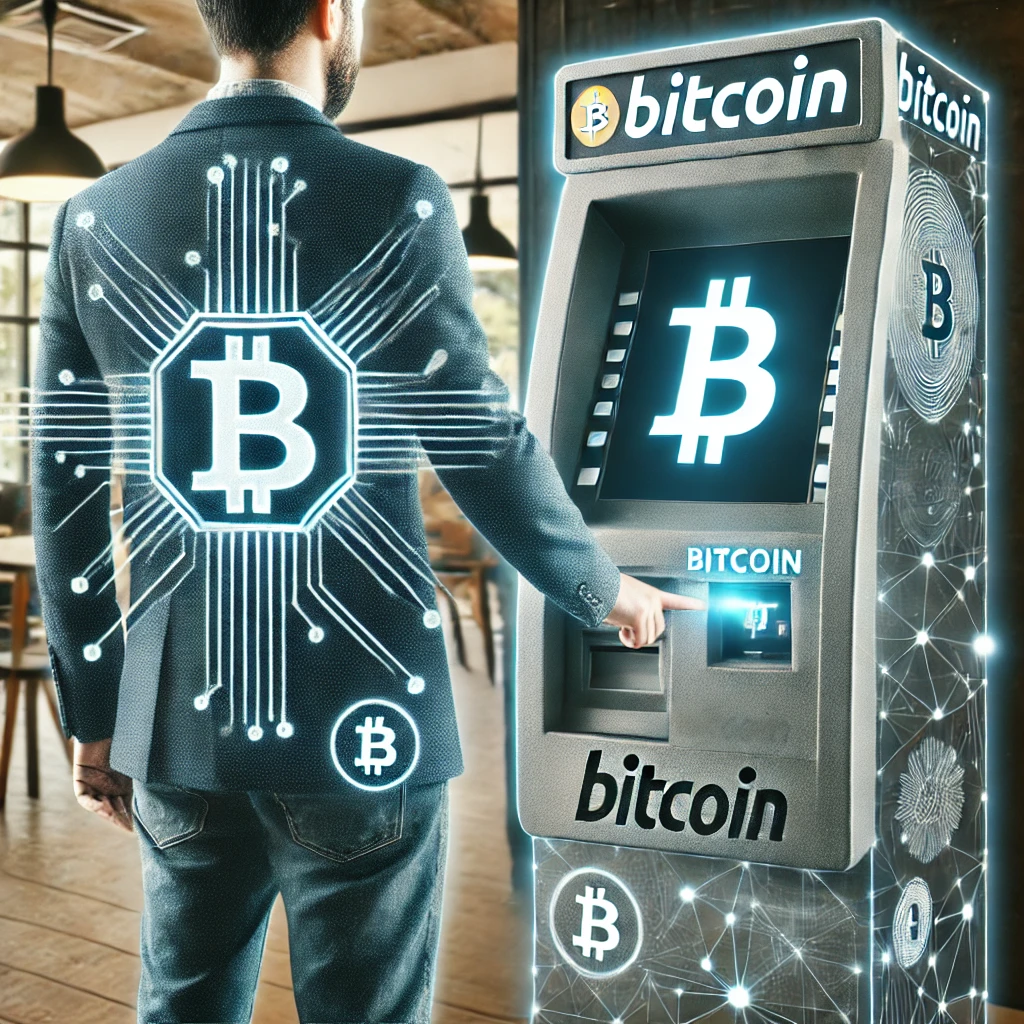
Source: ChatGPT
Countries such as Turkey, Argentina, Venezuela, and dozens of others are experiencing out-of-control inflation. While the US battles 5% inflation, these countries are fighting 50-100% inflation rates of their local currencies. This has led to residents converting their savings into stablecoins such as USDC or USDT as a means to retain the value of their money. As a result, cryptocurrency has much higher adoption rates in developing countries where people rely on it as a way to safeguard the worth of their money instead of viewing it solely as an investment opportunity.
On top of using stablecoins to retain wealth, another popular use case is international monetary transfers.
With centralized solutions such as Western Union or other wire transfer systems charging high fees for international monetary transfers, many began turning to stablecoins instead. Since blockchains operate as global systems that don’t recognize borders, the amount a user has to pay in fees does not change based on distance.
Whether you’re sending money to your neighbor or to someone on the opposite side of the planet, cryptocurrency has become the fastest, cheapest, and most secure way to send money because of its peer-to-peer nature.
💡 The current problem with international transfers
Imagine you live in the US and want to send $10,000 to a relative in Europe. You want to use Western Union, but then you see that it charges a $250 fee for the transaction and has a settlement time of 1-2 business days.
Instead, you decide to send USDC on the Polygon network. You ask your relative to create a digital wallet and send you their wallet address. You then proceed to send them the $10,000 worth of USDC. They receive the money nearly instantly, and it is now directly in their wallet.
The whole process, from setting up the wallet to the transaction being settled, took less than 10 minutes and cost less than a dollar in fees.
Check out this article by The Financial Times and this article by Coin Telegraph to learn more about how people are using cryptocurrency to combat inflation and excess fees.
DeFi is the new global marketplace.
Now, anyone can use DeFi to take full control of their finances. A globally accessible financial system at the tip of your fingers that is open to anyone, anytime, anywhere. Thousands of unique dApps already exist to help you maximize the potential of your assets through decentralized lending, staking, trading, and borrowing. DeFi offers an unprecedented new marketplace operating in a peer-to-peer system that can’t be manipulated by banks, companies, or even governments.
💡 A lack of centralized financial resources holds people back
Imagine you are a small business owner in Venezuela. You need capital to cover your operational expenses and overhead, but you’re worried that the high inflation rate and lack of financial resources will make it difficult to take out a loan and even more difficult to pay it back.
Instead of going the traditional route, you choose to use the Aave platform to take out a loan using cryptocurrency as collateral. Instead of spending weeks or even months dealing with bureaucracy and paperwork only to get a loan with a double digit interest rate attached, you’re able to take out a USDC loan within 5 minutes and an interest rate a third of the amount. In addition to getting a much better deal, your money is also in USDC tokens that are backed by the US Dollar and is therefore no longer vulnerable to the high inflation rate plaguing the Venezuelan Bolivar.
Cryptocurrency within itself offers a tremendous amount of value, but when combined with the principles of Decentralized Finance, it has the power to revolutionize the entire global monetary system.
Many businesses have even begun to accept cryptocurrency as a form of payment. The rise of Point-of-Sale crypto processors such as Slice has made it easy for business to directly integrate crypto payment processing into their payment systems. Businesses can accept tokens such as USDC as payment for physical or digital goods and can then choose to either retain it as cryptocurrency or convert it to fiat. These types of tools are critical for developing the required infrastructure to process crypto payments and make it an effective alternative payment solution.
As more of our daily financial transactions move onto the Internet, it’s important to make digital payment platforms accessible to everyone. Our current digital payment system relies heavily on the use of credit and debit cards and is racked with excess fees. From credit card companies charging a processing fee for every transaction to Western Union charging huge sums for international transfers, this system is inefficient and relies heavily on the use of middlemen that make money off of your transactions. Cryptocurrency offers a viable, cheap, and effective alternative to this broken system. With far less fees, nearly instant settlement times, and a system that is native to the digital world, cryptocurrency is a far better payment processing system than what we use today.
📋 Practice Question