
2. Digital Identity on the Blockchain
Public and Private Wallet Keys
Similar to how transactions and blocks have hashes, each wallet contains a unique identifier known as the public key. It is called a public key because this is how the wallet is identified on the blockchain network. All assets and transactions tied to a wallet will be shown as belonging to the public key of the wallet.
However, each wallet has another key known as the private key. This is the identifier that is known only by the person who created the wallet and is what allows you to access that wallet. Anyone that has the private key can access the wallet. This means that when creating a wallet, make sure to never share the private key with anyone or they will be able to access your wallet. This also means, however, that no one else can access your wallet, which ensures that you are the only one that can utilize the assets that are on it.
This private key is what allows you to create a transaction. Whenever any transaction involving a digital wallet is made, the owner has to manually approve, or sign, the transaction to accept it. This creates a system that ensures no movement of funds from a wallet can occur without the wallet owner’s consent. This includes signing onto different applications, where you have to approve the connection between the wallet and the site.
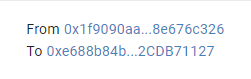
Source: Etherscan
Instead of having to write down or memorize a private key, most wallets utilize a security measure called a seed phrase to protect the private key. This is a phrase consisting of 12 to 24 randomly generated words that act as a password to a wallet. When you create a new wallet make sure to copy and paste, or even better write down, the seed phrase somewhere where you won’t lose it and no one else will find. The seed phrase acts as a password and is what allows a user to gain access to a wallet. Most wallets do not have a recovery setting and can only be accessed via seed phrase or private key, so make sure you do not lose the seed phrase or you will lose access to your wallet.
💡 The movement away from seed phrases
The practice of using seed phrases is slowly starting to be phased out of wallets. Having no way to recover assets from a wallet if the seed phrase is missing is not ideal for most people, so wallet developers are starting to opt for other methods of verifying identity. This includes using methods such as 2 Factor Authentication, biometrics, or having multiple signers on a wallet that can recover the assets if one is lost.
All of this is being done to improve the user experience and to onboard more people into the blockchain world. Most people do not care enough about self custody to keep track of a seed phrase, so companies are adapting their wallets to make it much easier to access digital assets, as well as having the option to recover funds.
Having a separate public and private key gives uses the ability to have a public facing digital address while at the same time protecting anyone else from accessing it. To learn more about how public and private key encryption works, check out this article by Cloudflare on public key cryptography.
📋 Practice Question