
7. Real World Application of Blockchain
Thanks to the use of decentralized oracles, blockchain can take in external data from Internet of Things (IoT) devices responsible for collecting data about the state of a product and bring it on-chain. These devices can include GPS, thermometers, humidity and liquid sensors, and any other device that can be attached to goods as they flow through the chain. All of this data can then be brought on-chain and utilized accordingly to create an immutable ledger of the entire path of a product through the supply chain.
To remedy the issue of high float time between delivery and payment processing, companies can utilize smart contracts. These contracts can take in the allotted vendor payment and release that payment directly to the vendor as soon as the product is delivered. This system would greatly cut down the time it takes for a vendor to get paid by removing the need for humans to check whether their goods have been delivered. It would also reduce the settlement time for monetary transactions, since on-chain transactions can be settled within minutes as opposed to banks taking several business days to process them.
Supply Chain
Within the business world, supply chains are a critical part of business infrastructure. As a result, the supply chain industry is worth almost 30 billion dollars. However, supply chains are often become more complicated and cumbersome as more steps are added into them.
Some of the issues plaguing supply chain include:
- High amounts of float time between when a good is delivered and when the vendor is paid
- Active synchronization of data across the different CRM systems involved in tracking goods throughout the chain
- Tracing inventory throughout the entire supply chain and determining potential points of failure
All of these are issues blockchain can fix.
Source: Toptal.com
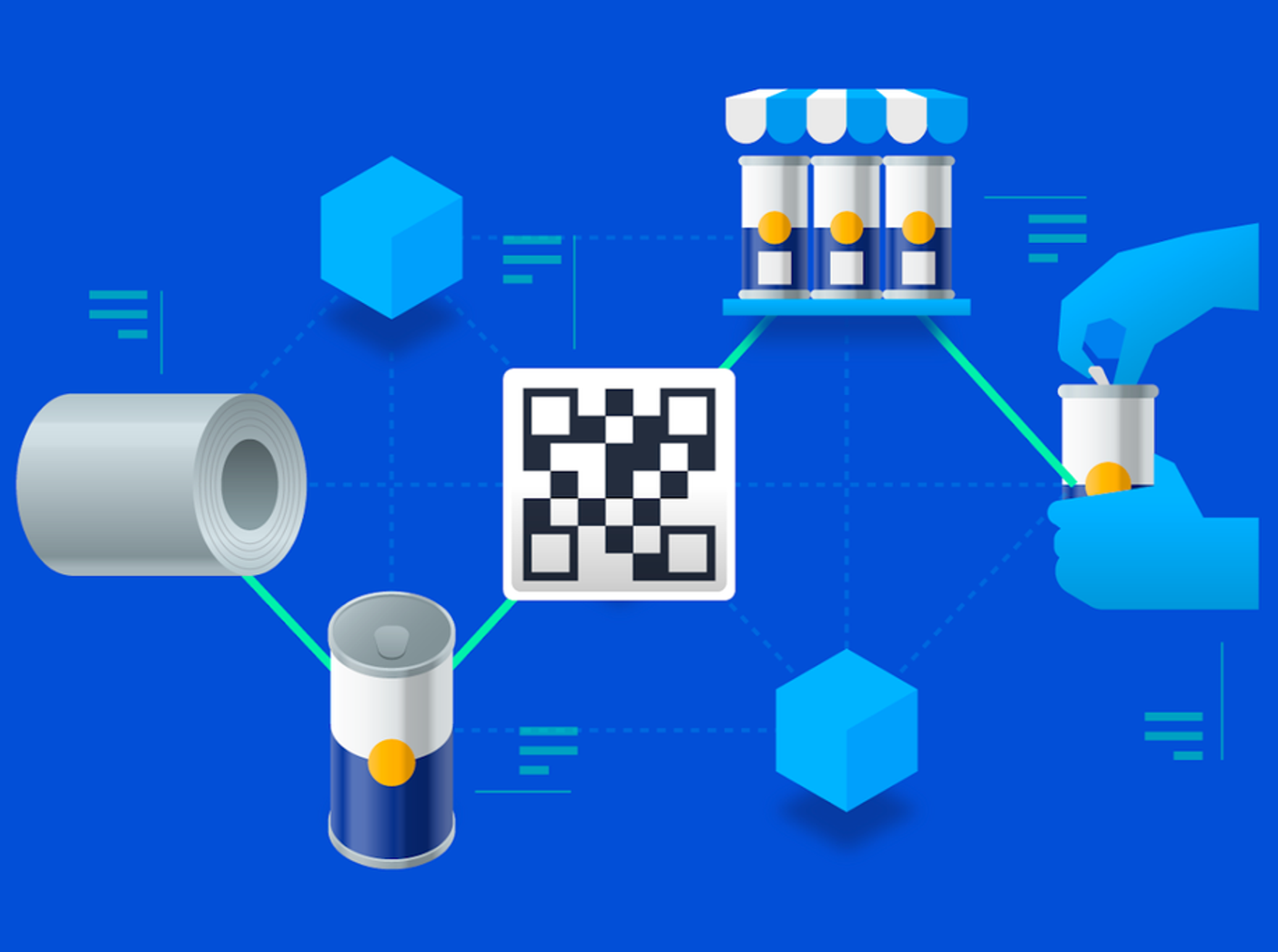
Blockchain technology can be used to create a permissioned network where only the parties involved in a specified supply chain have access to the same data and the same level of permission. A shared blockchain makes it possible to synchronize logistics data, track shipments, and automate payments without requiring significant changes to the firms’ internal processes or information technology systems. Each movement within the supply chain is broadcasted and timestamped, creating a complete chain of all the movements of goods throughout the process.
💡 Tokenizing physical products on-chain
To create an effective tracking system that tracks a product throughout the entire supply chain, you can create a system that mints NFTs to represent shipments of goods. The NFT can be minted once a shipment is created at its point of origin, and then passed along a chain of addresses where each address represents a company responsible for transporting the shipment.
Here’s what the process would look like:
Transaction 1 - Company A creates the shipment and mints an NFT to represent it
Transaction 2 - A truck owned by Company B picks up the shipment, Company A **sends NFT to Company B
Transaction 3 - Company B drops of shipment onto ship owned by Company C, Company B sends NFT to Company C
Transaction 4 - A truck owned by Company D picks up shipment from the ship once it arrives, Company C sends NFT to Company D
Transaction 5 - Company D delivers shipment to Company E who placed the order, Company D sends NFT to Company E
Each transaction would contain a timestamp of when the action occurred, as well as any tracking data from sensors attached to the shipment. This would create not only a complete map of where and when the shipment was at any given point, but it would also make it much easier to identify any points of failure throughout the route.
Companies such as Origin Trail are already building out this type of infrastructure. These types of systems allow companies to become much more effective in tracing all shipments throughout their respective supply chains while at the same time offering a cost effective and efficient solution to do so.
Utilizing a blockchain database for supply chain will help revolutionize the industry and help usher it along into the new era of the Internet.
📋 Practice Question